Key Takeaways
- To legally officiate a wedding, you must become ordained through a recognized organization and follow state-specific requirements.
- Prepare for the ceremony by practicing your script, understanding the couple’s vision, and reviewing key logistics like music cues.
- On the wedding day, arrive early, dress appropriately for your role, and ensure all legal documents are signed and filed.
Officiating someone's wedding ceremony is one of the most important roles and responsibilities on the big day. And being asked to do so is an incredible honor. However, unlike being a bridesmaid, groomsman, or usher, overseeing a couple's nuptials requires an official license and careful preparation. Before you begin planning out what you'll say as you lead the duo through their vows, you'll need to obtain a certification that allows you to perform such a ritual. Unless you've already been ordained and witnessed countless ceremonies, you're likely wondering how to become a wedding officiant.
The easiest way to become a wedding officiant is through an online organization. Many non-denominational churches and nonprofit organizations offer free ordination, as well as all of the materials you might need to run a rehearsal, deliver a polished ceremony, and follow through with all those legalities. "We hope that most folks take their role as an officiant seriously, and we are here to support them with free ordination and a variety of supplemental resources," says Natasha Anakotta, the outreach and operations manager of American Marriage Ministries. “If you need a step-by-step guidebook on officiating, cut-and-paste wedding vows, or info on worldwide wedding customs and traditions, we have it."
Below, we break down how to become a wedding officiant in three key steps, as well as how to ensure everything runs according to plan on the big day.
How to Become a Wedding Officiant: 3 Steps to Take
Depending on the organization you select, the time it takes to become a wedding officiant will vary. Below, we break down the three key steps to take, regardless of the path you choose.
Step 1: Start With Research
You can't perform a legal marriage unless you are authorized by the state to do so. Each one has different descriptions, classifications, and laws that regulate who can officiate a wedding ceremony. To ensure you quality, become ordained with a legitimate organization that's recognized in all 50 states. Ask these questions of any organization before turning to them to become a wedding officiant:
- Is the church/organization founded upon principles with which you agree?
- Is the organization transparent about how they operate?
- Is the organization recognized in the state where you're performing marriage?
Step 2: Submit Your Application
Once you've decided where you would like to get ordained online, you'll likely be asked to fill out a form. Following your completion of the program, a printable credential—your wedding-officiant license—or a minister ID number will be sent to you. After receiving that, congratulations are in order: You're officially ordained.
Step 3: Register With the State (If Required)
Check the state and county statutes where the wedding ceremony is taking place to see if you need to register as the officiant prior to the ceremony. In most states, you can marry a couple as soon as you're officially ordained. However, some require ministers to register with a government office before the ceremony, which means you may have to send away for specific documentation and credentials. For a current directory of all the states and their minister registration policies, click here.
How to Get a One-Day Marriage Officiant License
If you're planning on officiating a wedding in New York, California, Massachusetts, Vermont, or Rhode Island, you're not required to complete a standard ordination program. In these states, anyone over the age of 18 can apply for a one-day marriage officiant license, which gives them the authority to solemnize a marriage for, yes, 24 hours anywhere in the state. However, each one has different requirements for such a program. For example, in California, a person applying for this type of license, called the Deputy Commissioner for a Day program, is required to fill out an application, pay a fee, and attend a one-hour virtual class.
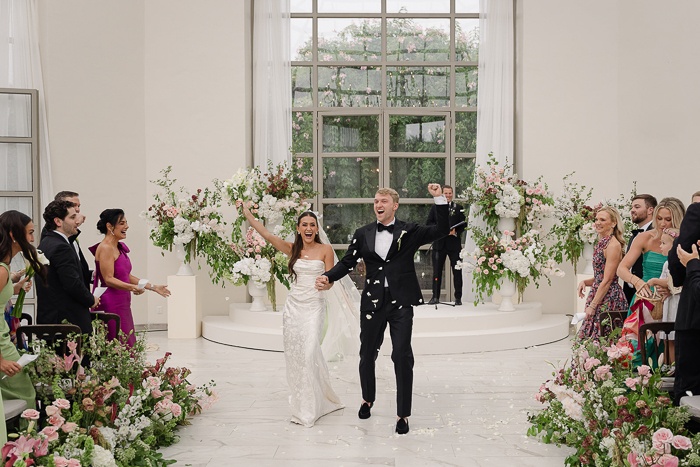
Photo by Xilo Photography
How to Become a Wedding Officiant: 4 Rules to Follow When Conducting the Ceremony
Now that you've accepted your role and obtained your wedding-officiant license, it's time to prepare for the ceremony. Here, we share our best tips (and some etiquette must-dos) that will set you up for success on the big day.
Ask the Couple What to Wear
Each wedding is different when it comes to the dress code. If the couple says, "wear what you want," think about your attire in the context of your role as the wedding-ceremony officiant, not as a guest. For example, instead of wearing prints, opt for neutral colors. To minimize distractions, make sure your hair won't blow into your eyes and avoid flashy jewelry or a brightly-lit smartwatch.
Take Time to Prepare
Before the big day, make sure to study proper protocol, the standard order of service, the vow exchange, any musical cues, how to move around in the ceremony space, and how to fill out and file a marriage license. Meet with the couple to find out what they envision for the ceremony. Afterwards, prepare the script, practice your presentation, and create an order of procession for the rehearsal.
If you're not comfortable being the one to run the rehearsal, ask the planner or on-site coordinator to manage it instead.
Arrive Early and Prepared
Prior to the big day, make several copies of the ceremony script to bring with you—and don't forget to bring the marriage license. Arrive at least an hour early to check in with the couple, go over music cues, make sure the space has everything you need, do a sound check, and verify that the rings are accounted for.
Announce the Start of the Ceremony
Just before the processional begins, ask everyone to take their seats and to silence their phones. Depending on the format of the ceremony, you may need to prompt guests to rise for the bride—and then nudging them to sit back down once she's at the altar. During the ceremony, avoid reading from a tablet or phone. Instead, use a printed booklet or binder and look up at the couple (and the guests!) as much as possible. When it’s time for the couple to kiss, step back and out of the way.
Remember Your After-Ceremony Tasks
Your job isn't over once the couple says "I do." Following the ceremony, sign and complete the marriage license with the couple and witness(es), if required. Then, file the completed marriage license. If it’s the couple’s responsibility to deliver the license to the clerk's office, make sure they do it as soon as possible.