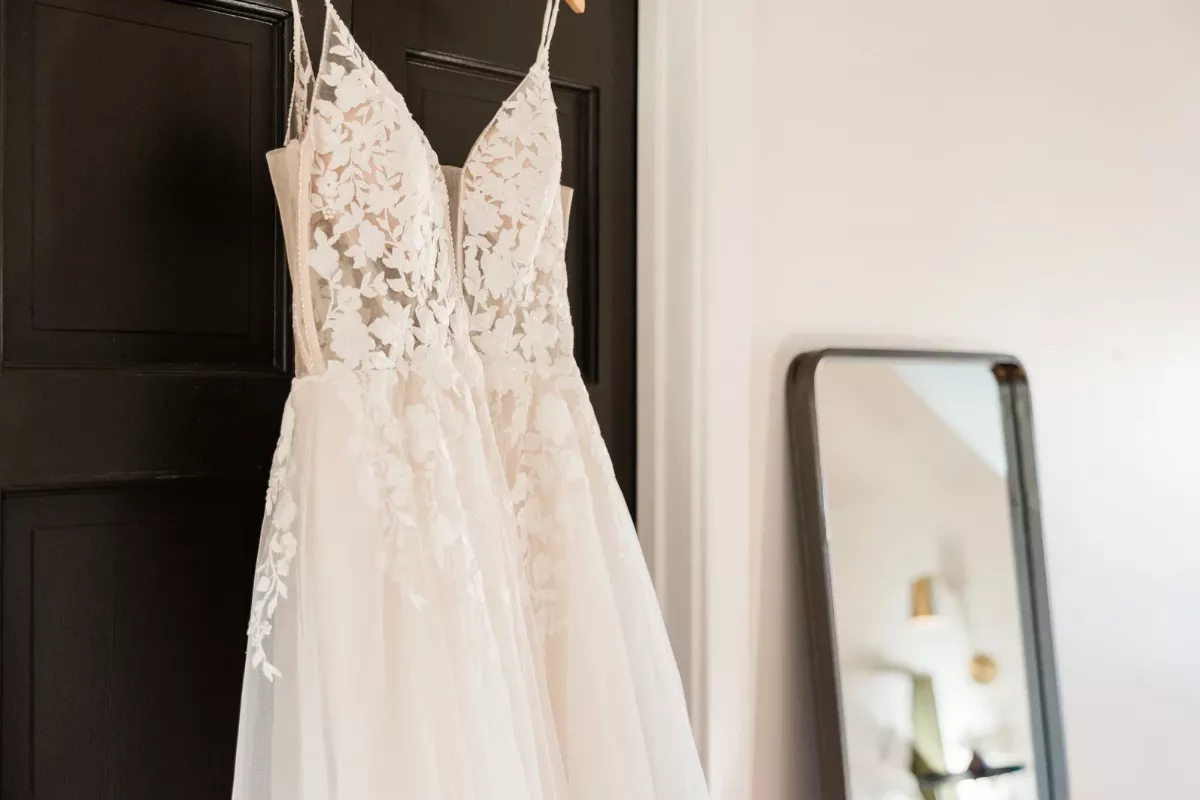
Finding your wedding dress is one of those wedding-planning moments you probably can’t wait to experience. You get to explore gorgeous wedding dress collections, try on different silhouettes, and picture yourself walking down the aisle. But there’s more to finding the one than falling in love with a pretty gown. You’ll also need to think about fittings, alterations, and all those little details that make a dress feel like it was made just for you.
From choosing a style that suits your wedding to getting the perfect fit before the big day, here’s what to expect at every stage of the wedding dress journey, including a few tips to make the process easier.
Navigating Wedding Dress Collections and Making Your Selection
The first step in your wedding dress journey is to browse a variety of collections. Many brides start by identifying designers or boutiques known for their style preferences, whether they love classic lace, modern minimalism, or intricate beadwork. Viewing bridal dresses in person can also reveal details, like weight and structure, that are hard to judge online.
After seeing what is available, it is helpful to shortlist styles that align with both your vision and your venue. For example, a ballroom gown with a dramatic train might suit a formal setting, while a fitted sheath gown works well for outdoor or destination weddings. Many brides seek inspiration within a wedding dress collection when shaping their ideas for the perfect gown. As you refine your options, think about how your wedding timeline, travel plans, and overall theme affect the most practical choice.
Preparing for Your First Fitting Appointment
After choosing a dress, preparation for your first fitting shapes the rest of your experience. It is important to bring the undergarments and shoes you plan to wear at the wedding. Heel height and lingerie can influence how the hemline falls and how the bodice fits, so planning ahead prevents unexpected adjustments later on.
If you have selected accessories such as a veil, jewelry, or special belt, include these in your fitting bag. Sharing reference photos or notes with your seamstress can clarify your vision. To keep choices focused, mention whether you are aiming for classic bridal dresses or a more fashion-forward look, and confirm what is feasible within your budget.
The Dress Fitting and Alterations Process
The standard fitting process usually includes two to four sessions, beginning a few months before your wedding. At your first appointment, the seamstress will pin and assess your gown, adjusting areas like the bust, waist, hips, and overall length. Communication matters: if you feel a part of the dress is too tight or loose, now is the time to speak up so the first round of changes addresses your needs.
Subsequent fittings allow for fine-tuning every detail. In the second session, you will test the dress by standing, sitting, and moving naturally to ensure maximum comfort and support. Common alteration areas include tailoring straps, refining seams, hemming for shoe changes, and ensuring wedding dresses maintain clean lines after adjustments.
Finalizing the Fit and Preparing for Your Wedding Day
By the time of your final fitting, most of the major alterations should be complete. Use this appointment to check that zippers, closures, and bustles function as intended. Practice fastening the bustle, as your Maid of Honor or a friend will likely help you with it during your celebration. Keep in mind that storing and transporting your dress in a garment bag will help to keep it in perfect condition up to the ceremony.
Consider creating an emergency kit that includes safety pins, needle and thread, and stain remover to address any last-minute surprises. With every stage of the process, from browsing wedding dress collections to walking down the aisle, careful planning supports a smooth wedding experience and helps you feel confident and comfortable. For many brides, the final result is a gown that balances comfort and style, whether you gravitate toward timeless bridal dresses or a modern statement.
This is a guest post.


