
Planning a dream wedding does not require putting your long-term financial goals on hold. The best wedding plans balance the excitement of the celebration with the practical decisions that support your future together, including savings, debt management, housing plans, and other milestones.
A wedding is one of the most meaningful events a couple will plan, but it also marks the start of a new chapter. Decisions made during the engagement period can shape financial habits and priorities for years after the ceremony. A realistic plan lets couples enjoy their wedding day while protecting the life they are building beyond it.
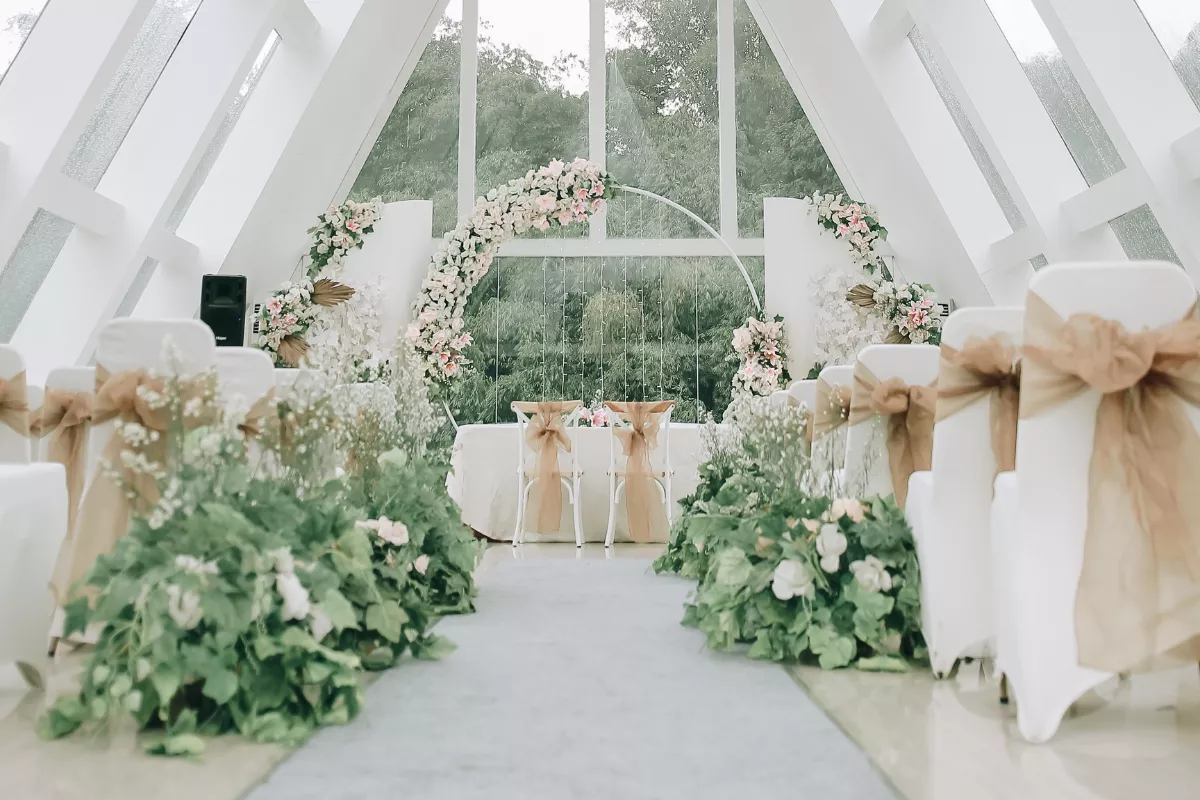
Start With a Wedding Budget That Reflects Your Priorities
A successful wedding budget begins with understanding what matters most to both partners. Instead of starting with a list of expenses, couples should first discuss the experiences they want their wedding to create and then decide how much they are comfortable spending.
Wedding costs can include venue fees, catering, photography, attire, decorations, entertainment, transportation, and accommodations. Breaking these expenses into categories makes it easier to see where money goes and which areas have the greatest impact on the overall experience.
A realistic budget should also consider financial goals outside the wedding. Couples preparing for marriage may also want to save for a home, build an emergency fund, continue education, or plan future family expenses. A wedding should celebrate the relationship without creating financial pressure that affects the years ahead.
Separate Wedding Wants From Long-Term Needs
Every couple has a different vision for their wedding day, and there is no universal definition of the perfect celebration. The challenge is identifying which details create meaningful memories and which expenses add cost without adding lasting value.
Prioritizing allows couples to spend intentionally. For example, some couples value professional photography because those images preserve memories for decades, while others prioritize food, music, or a meaningful location. Understanding these preferences helps direct the budget toward what matters most.
This approach also prevents the common mistake of increasing spending simply because something is considered traditional. A smaller guest list, seasonal flowers, digital invitations, or a more flexible venue date can reduce costs without reducing the significance of the celebration.
Discuss Financial Goals Before Marriage
A wedding planning conversation should include more than colors, venues, and guest lists. Couples should also discuss their financial goals and how they want to manage money as partners.
Important topics include:
- Current savings and financial responsibilities
- Existing debts and repayment plans
- Future housing goals
- Career plans and income expectations
- Shared savings priorities
Open conversations create a stronger foundation because both partners understand the financial picture before making major decisions. Marriage combines two lives, and understanding each person’s financial habits helps prevent misunderstandings later.
Debt is an especially important topic. Many couples enter marriage while managing education-related borrowing from earlier years. Reviewing repayment strategies, including options to refinance student loans, can be part of a broader conversation about organizing finances and creating room for future goals. Any refinancing decision should involve comparing terms, costs, and long-term effects before making changes.
Plan for Life After the Wedding Day
A wedding lasts one day, but marriage involves decades of shared decisions. Couples should consider how their wedding spending fits into the life they want to create after the celebration.
A strong financial foundation often includes an emergency fund, manageable monthly expenses, and a plan for future purchases. Even small steps, such as setting aside money each month after the wedding, can create greater stability over time.
This doesn’t mean couples need to delay every enjoyable experience until they’ve met all their financial goals. The purpose is balance. A thoughtful financial plan allows couples to enjoy their wedding while continuing to make progress toward other priorities.
Find Ways to Create a Meaningful Wedding Without Overspending
A memorable wedding comes from personal details, not a specific price point. Couples can create a beautiful celebration by focusing on atmosphere, connection, and experiences instead of measuring success through total spending.
Many budget-friendly decisions can also make weddings feel more personal. Choosing a venue with natural beauty may reduce the need for extensive decorations. Working with local vendors, selecting seasonal options, and limiting unnecessary extras can help couples stay within their budget while maintaining their vision.
The most meaningful weddings reflect the couple’s story. Guests remember the emotions, interactions, and moments shared with loved ones more than the cost of individual details.
Avoid Starting Marriage With Financial Regret
One of the most valuable wedding planning skills is knowing when to say no. Wedding excitement can make it easy to justify expenses that don’t align with a couple’s larger goals.
Before adding new costs, couples should ask whether the expense meaningfully improves the experience or creates financial stress afterward. This simple question helps separate emotional decisions from practical ones.
Starting marriage without unnecessary financial strain gives couples more freedom to focus on building their future. The wedding should mark the start of a partnership, not the beginning of avoidable financial challenges.
Create a Wedding Plan That Supports Your Future
A dream wedding and future financial security are not opposing goals. Couples can create a beautiful celebration while making responsible decisions that support their life together.
The most effective wedding plans combine emotional priorities with practical planning. They account for the details that make the day special while protecting goals that continue long after the last guest leaves.
Marriage is built through thousands of decisions made over time. Learning to balance celebration with responsibility during wedding planning creates a strong foundation for the years ahead. A thoughtfully planned wedding does more than create a memorable day; it supports the future two people are choosing to build together.
This is a partner post.