

Ciara Elliott
Congratulations! You're getting married again - how exciting! While many aspects of organising a wedding second time round in Ireland remain the same, couples entering into a second marriage may have a few additional considerations - particularly when it comes to legal documentation and previous marital status. Taking the time to understand these requirements early can help ensure a smooth and stress-free process. Alongside the legalities, couples might also have different expectations depending on the type of ceremony they choose, especially in religious settings. From ensuring a previous divorce is recognised under Irish law to exploring ceremony options that reflect their values and circumstances, being informed is the key thing. The following questions address the most common concerns most couples might have when planning a second marriage, hopefully helping to guide you through both the practical and personal aspects of saying “I do” again. A: While there are no major additional legal implications compared to a first marriage, couples must still follow all standard legal requirements, including giving at least three months’ notice to the HSE (Health Service Executive). The key difference is providing proof that any previous marriage has legally ended: A: In addition to documents relating to previous marriages, all couples must provide : A: Foreign divorces must be recognised under Irish law. Generally, this requires that at least one spouse was living in or domiciled in the country where the divorce was granted. If the General Register Office does not recognise the divorce: A: Yes, depending on the religion: It’s recommended to speak directly with the relevant religious authority. Also, while we can give you a general overview of the key points you can find out more at accord.ie or ask your local priest for full information. It is worth bearing in mind too that Accord offer marriage preparation courses nationwide, and these are open to all couples regardless of first or second marriages. More information on available courses can be found here. A: It is possible to marry in a Catholic Church a second time, but this depends on the status of a previous marriage. If a person is divorced, they must first obtain a decree of nullity (annulment), which is a church declaration that the previous marriage was not a valid sacramental marriage. If a person is widowed, they are free to marry again in the Church. In some circumstances, couples who are already civilly married may be eligible for a convalidation ceremony in the Church. While often second time round weddings are a chance to create a more personalised and intimate atmosphere (you may not have all those extended family members and friends you included first time) there is definitely no one way to do it. Whether a sweet and super romantic elopement, destination wedding or even a homely back garden ceremony there are so many lovely ideas you can make your own. And whether it's a small civil ceremony followed by a larger party or a secular ceremony that can be held anywhere and personalised accordingly, you have so many choices. Enjoy the planning! Looking for more inspiration for your second time round do? Find loads more inspiration on the site, from what to wear for ageless bridal style and 27 go-to designers for civil outfits to endless ideas for small weddings and registry office shin digs.Q 1: Are there legal implications when getting married for the second time?
Q 2: What documents are required for a second marriage?

Q 3: What if a divorce was obtained in another country?
Q 4: Are there different rules for religious ceremonies in second marriages?
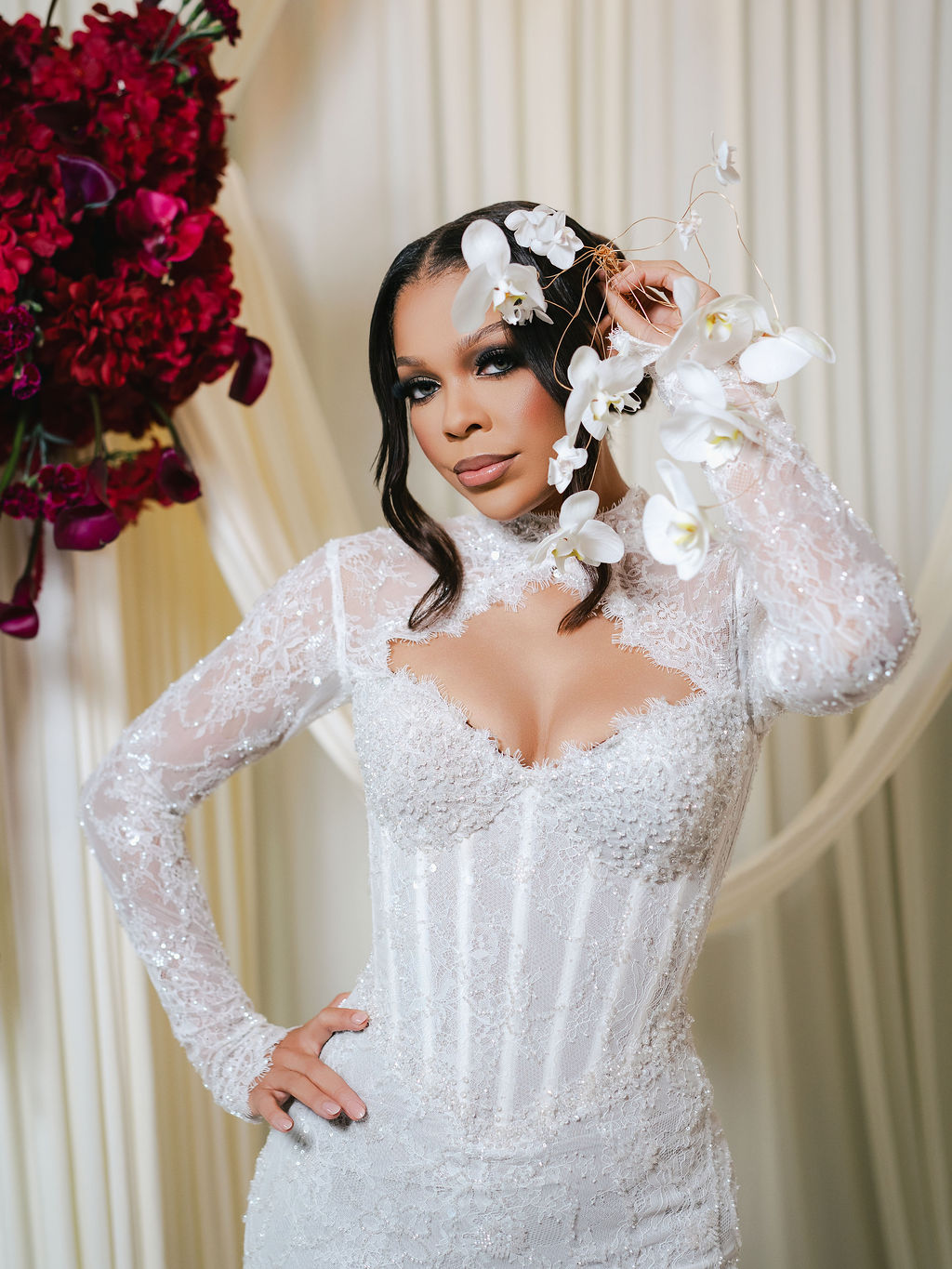
 Image by Dasha Caffrey via One Fab Day
 Q 5: What about getting married in a Catholic church in Ireland if you are divorced?
Q 6: What other second time round ceremonies are available?


RECOMMENDS