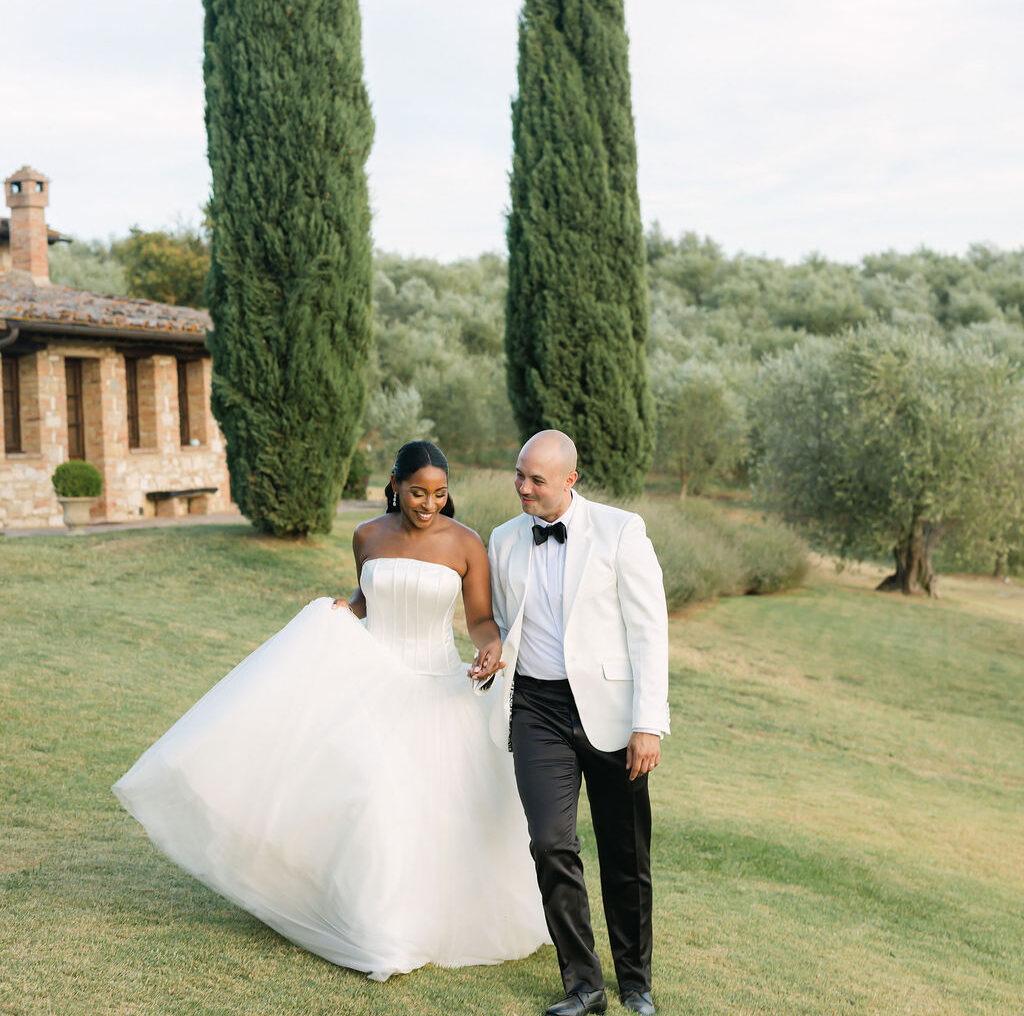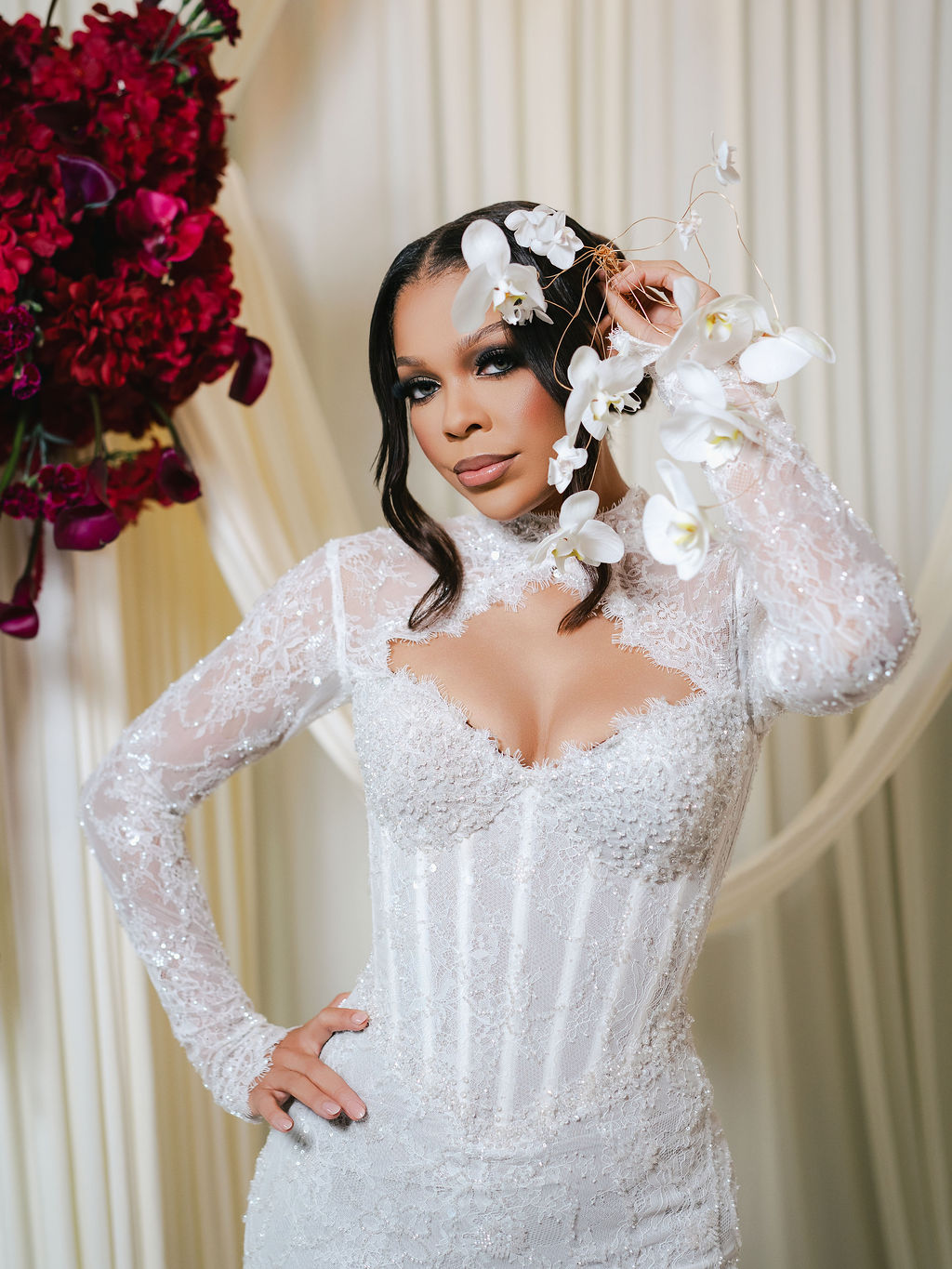
Before your big day, there are a number of different aspects to prepare for—from where everyone should sit to the order of the reception speeches. Yet, unfortunately, even the most organized, detail-oriented couples (and planners) can’t control the weather on their wedding day. While you can choose a temperate location, a sunny season, and an intentional timeline, you just never know what Mother Nature might bring: extreme heat, bracing sunshine, uncomfortable humidity, or even pouring rain.
However, by designing and implementing a thoughtful and thorough backup plan, you can be prepared for whatever the day brings—and limit your pre-wedding stress. From small pre-wedding choices, like how you’ll secure your escort cards from a heavy breeze and whether you’ll choose hardy flowers that can withstand hot summer temperatures, to large-scale plans, like whether you’ll need to relocate your ceremony and how you can adjust for travel delays, a well-structured backup plan helps you expect the unexpected, so your day can go as smoothly as possible.
Below, the experts explain the importance of creating a wedding backup plan, as well as how to do just that. Read on for everything you need to know.
What Is a Wedding Backup Plan?
Most couples focus their wedding backup plan on accommodating the threat of bad weather: extra travel days built in for out-of-town guests with flights during a snowy season, a tent to enclose the reception space in case of storms, or a venue with an air-conditioned dining room for a July celebration. However, even if you’re not particularly concerned about temperature changes or unwanted precipitation, such a plan can still be helpful. “While it's crucial for outdoor ceremonies and receptions, every wedding should have a backup plan,” says wedding planner Christine Ferguson of Christine Ferguson Events. “A backup plan ensures your wedding can move forward smoothly, even if something unexpected arises; this could be for weather, of course, but also for unexpected vendor delays, transportation hiccups, or even guest comfort during extreme heat or cold.”
The scale of your backup plan will vary depending on your venue, guest-list size, season, and climate. It should take into account major elements, like where you’ll hold an outdoor ceremony in case of extreme weather, and seemingly small ones, such as whether you’ll have outlets for your microphones in that space. “A well-rounded backup plan includes an alternate ceremony and/or reception location, tenting logistics if needed, layout adjustments, lighting considerations, vendor re-coordination, and a revised timeline,” says Ferguson. “It also accounts for how décor, entertainment, and food service may shift, so nothing feels like a lesser version of the original plan.”
Photo by Mashaida Co.
When Should You Implement Your Backup Plan?
A few days before your wedding, you’ll need to decide whether or not to implement your backup plan. However, know that you can approve some of the details while skipping over other elements. “In a light drizzle, an adventurous couple might be open to nice umbrellas for themselves and their guests who are willing to brave the weather, whereas we might also have a backup indoor space if the rain were to pour,” says Callista Osborn, the owner and creative director of Callista and Company. “In addition to the full scale backup plans, we also make little decisions throughout the planning process, such as considering the weight of dinner menus that will be placed on outdoor tables so that they will not blow away in a breeze or ordering throws for dinner chairs in case the evening gets a little chillier than expected.”
How to Create a Wedding Backup Plan: 9 Key Elements to Consider
Ready to create a backup plan for your wedding? Below, the experts break down the nine crucial elements you need to consider when doing so.
Decide Who’s In Charge of Making the Backup Plan
The owners of a dedicated event venue will typically have a standard backup plan in place, even if it means simply moving your outdoor cocktail hour indoors. However, your planner should take the lead on understanding the details of the plan—or, for a wedding held in your backyard or in a space built from the ground up, creating one. “While some venues have in-house rain contingency options, it’s the planner who ensures those options are fully fleshed out, addressing logistics, guest experience, and design continuity,” says Ferguson. As the bride or groom, expect to approve the plan throughout the process to avoid any wedding-day surprises.
Ask Potential Venues About Their Backup Options
While considering a backup plan may not be the most exciting aspect of the planning process, it’s an important element to think about. Don’t book a venue if you hate the backup space, the indoor ballroom doesn’t fit your guest count, or you can’t afford a last-minute tent. “A solid backup plan should be in place early in the planning process—ideally while booking the venue,” says Ferguson. “You don’t want to wait for a storm to roll in before figuring out where 150 guests will sit.”
If you’re planning a fully outdoor celebration, and a tent is your backup plan, have those details sorted out beforehand. “We prefer to have a plan in place around the time that we are confirming the wedding venue, because tenting—and the crews to build it—can book up quickly when the weather takes a turn for the worse,” says Osborn.
Photo by Lexie Hand
Design a Backup Plan for an Outdoor Ceremony
While thunderstorms (or even drizzle) are often a major concern for couples planning an outdoor ceremony, other types of extreme weather can also require last-minute changes. “It’s not just rain—wind, heat, and even sound interference can all impact the ceremony,” says Ferguson. Choose an indoor space or a covered area, like a pavilion or porch, that can accommodate your guest list, altar, and aisle as a backup—even if it requires tweaking the scale of your floral installation or the shape of your seating area. “Don’t forget about décor translation, musician placement, guest seating, and natural light for photos,” says Ferguson.
Secure a Tented Reception
Couples planning outdoor receptions often opt to install a glass, sailcloth, or canvas roof over their dinner-and-dancing space in case of unwelcome rain or cold, but it’s critical to understand the limits of your tent. “Even tents need a Plan B,” says Ferguson. “Will the ground support flooring in case of heavy rain? Do you need side panels to block wind?” Make sure your tenting company can answer these questions—and explain their applicable experience—before you book them, says Osborn.
“When tenting, ensure you are working with a reputable company that has experience with building quality structures in your location,” she says. “It’s crucial they are aware of potential weather conditions, are able to help build a plan for a variety of circumstances (especially wind), and that they are familiar with local rules, regulations, and permitting.” As a backup for your backup, consider nearby spaces that might work as a last-minute switch. “If tenting isn't possible or feasible, identify an indoor venue that can accommodate dinner and dancing with minimal compromise; be sure to walk through these alternatives with your planner and vendors,” says Ferguson.
Plan for Backup Power
Weddings at private estates, sprawling outdoor meadows, or secluded clifftop lookouts require generator power to run everything from the caterer’s coolers to essential safety lighting. “For outdoor weddings, power is non-negotiable and weather can interfere with generators or extension runs,” says Ferguson. “For venues without reliable infrastructure, have a licensed electrician evaluate the setup well in advance.” Osborn always recommends a backup generator for her clients; you can also consider battery-powered lighting for essential spaces, like walkways, catering tents, and bathrooms, says Ferguson.
Discuss Alternate Floral Options
In extreme temperatures, delicate blooms can quickly go from flawless to flat between delivery and “I do.” Additionally, know that if you need to relocate your ceremony, your design plan may require a quick makeover. “If your ceremony is outdoors, work with your florist on alternate designs or hardier blooms that can withstand the elements,” says Ferguson. “Consider pivoting to more candle- or greenery-forward designs for plan B if florals need to be scaled back due to venue or layout changes.”
Be Flexible with Your Timeline
If bad weather rolls in, be ready to reprioritize your wedding day schedule: Trade a rained-out first look for portraits during a post-storm golden hour; move the ceremony to an earlier time to avoid a band of tornadoes rolling through; or shorten your after-party so that guests can avoid snowy roads. “Weather or logistics changes might require reordering key moments like the ceremony, cocktail hour, or first look,” says Ferguson. “Build flexibility into your timeline, and communicate any changes to your vendors and guests via signage or your planner.”
Consider Your Guests
As with your original plan, your alternative arrangement should be organized and implemented with the safety and comfort of your guests as a top priority. “Always consider your guests’ experience in your backup plan,” says Ferguson. “This means ensuring adequate shade or heating, accessible pathways if rain is expected, and cozy touches like umbrellas, shawls, or hot beverages if the weather turns.” At a destination wedding—or for out-of-town guests joining you at home—build in an extra day to accommodate delayed flights; offer transportation that lets guests avoid driving in unpleasant weather; and have a plan for keeping your friends and family updated on any changes, says Ferguson.
Make Sure You’re Excited
A perfect backup plan requires one crucial element: You should be as excited about it as you are about your original arrangement—even if the details are slightly different. “A well-designed plan B shouldn't feel like an afterthought—it should still reflect your aesthetic and emotional vision,” says Ferguson. While you can still hope that your sunset ceremony isn’t overshadowed by clouds or that you won’t need to place a last-minute rental order for tent heaters, choosing a realistic backup plan that has its own unique and magical elements allows you to enjoy the pre-nuptials process even more. “The wedding itself will fly by even under perfect conditions,” says Osborn. “If you love your backup plan as much as your primary plan, then you don’t have to worry as much about the implications of pivoting as the wedding day approaches.”