Key Takeaways
Guests may RSVP "no" if your wedding is at a busy time or if they have other commitments.
Travel and childcare challenges can prevent guests from attending wedding celebrations, especially for adults-only events.
Financial strain, like the cost of travel and accommodations, might make it hard for some guests to attend.
It's one of the most exciting parts of the planning process: Sending out your wedding invitations. And once your invites are in the mail, you and your partner may be anxiously awaiting those coveted RSVPs. Regardless of whether you prompted your guests to let you know if they plan to attend your nuptials by responding on your website or by returning a RSVP card, you'll soon start to see the answers trickle in. However, as you begin to sort through the replies, you may notice yourself feeling a bit bummed by the number of "nos."
It's understandable why you may feel sad or hurt once you learn that some invitees won't be able to join you and your partner at your celebration. However, Darryl Moore, the founder and creative director of D'Concierge Weddings, encourages you to look at the bigger picture. "Take a deep breath and remember this: Your wedding is about celebrating your love with the people who matter most," he says. "The most important people will move mountains to be there for you, and those who can’t still care deeply about you; they’re just navigating their own life circumstances and that's not your problem." Try not to take their "no" personally. Instead, he recommends focusing on the people who do show up. "By your first anniversary, you’ll look back and laugh at the things that seemed overwhelming," Moore says. "In the end, your wedding isn’t about the number of people in the room, it’s about the love you share and the commitment you’re making."
And while it can be tempting to inquire as to the reason why someone can't attend, avoid doing so. "It's not your business why someone can't or won't be there, and you should not bring it up with them," says Jenny Dreizen, an etiquette expert. "There are so many reasons that have nothing to do with you or your event that someone might not be able to join your party, and if they want to share that reasoning they will, probably on their own."
Meet the Expert
- Darryl Moore is the founder and creative director of D'Concierge Weddings.
- Jenny Dreizen is an etiquette expert, professional wedding officiant, and the co-founder and COO of Fresh Starts Registry.
Below, Moore and Dreizen break down 10 common reasons why your invitees may RSVP "no" to your celebration. Read on for more.
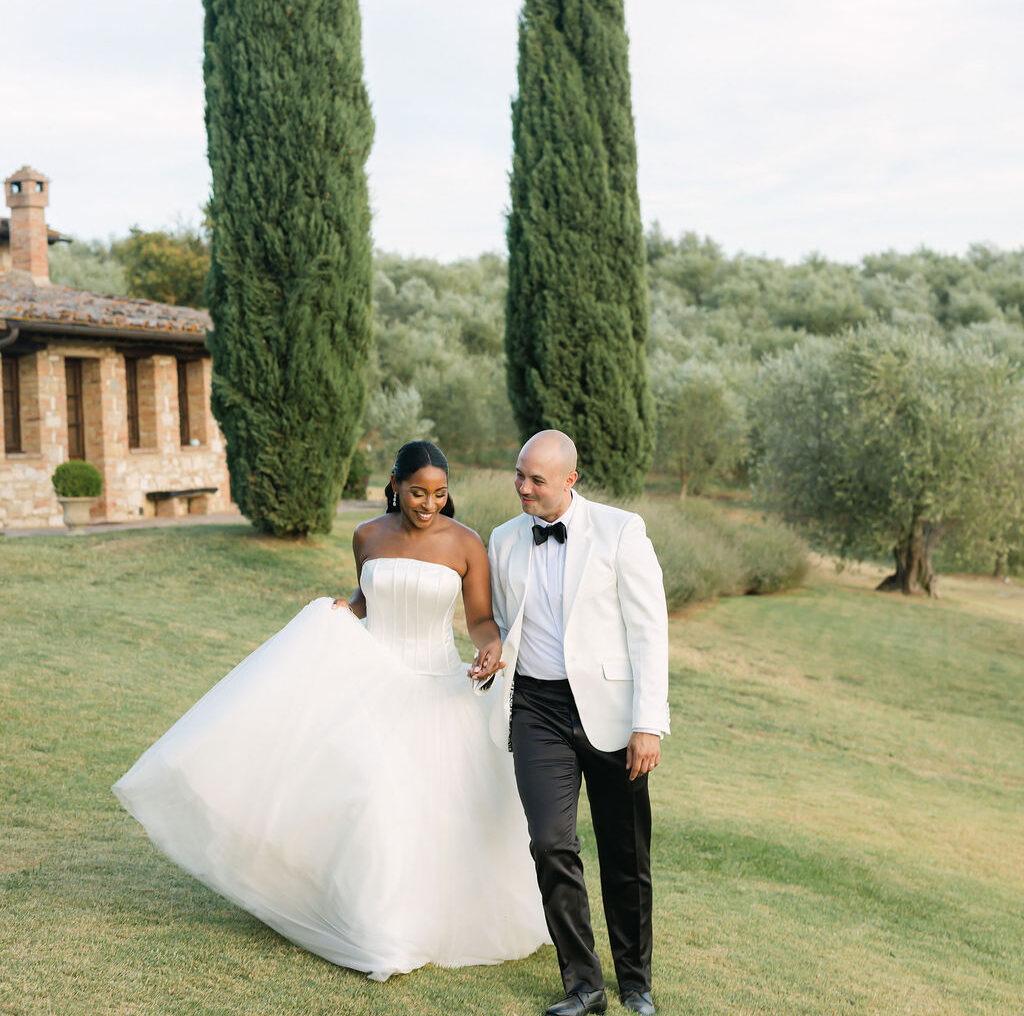
Photo by Sarah Lord Photography & Films
They aren't able to travel.
Travel, whether it’s a long-distance trek or a short flight, isn’t always accessible for everyone. Whether it's due to financial reasons, family responsibilities, or work schedules, some guests will RSVP "no" to your wedding if it's too hard for them to arrange their plans.
They have a scheduling conflict.
Wedding season is a busy time of year, as the majority of nuptials happen during the summer and fall when schedules are packed with events, vacations, and back-to-school preparations. As a result, if your celebration is happening during a hectic time, chances are you'll receive a few "nos" from guests who've already committed to other plans. "Sometimes, it’s as simple as two special events falling on the same date, forcing guests to make a difficult choice," Moore says.
They don't have childcare.
One of the main reasons why people RSVP "no" to a wedding is due to a lack of childcare. This is especially relevant if they've been invited to an adults-only wedding, which has become more and more popular over the years. While it's your right to host a celebration sans kids, if guests have children and aren’t able to find someone to watch their baby, toddler, or teen—particularly if they’re traveling—it's understandable that they aren't able to attend your big day.
They can't afford it.
"For some, the cost of attending—flights, accommodations, and other expenses—can be a significant factor," Moore says. In fact, the fees associated with going to a wedding has skyrocketed; in 2023, the average cost was $611 per event—making attendance difficult for those on a budget, or for those who have multiple celebrations every year. Remember that the invitee may want to be there, but they may not be able to justify the price tag. "Some may be afraid or embarrassed to admit that, especially if they’re traveling from afar," Moore adds.
They weren't given a plus-one.
It's no secret: Creating a guest list is hard. There’s never enough room (or budget) for everyone you’d like to invite, so it’s okay if a few invitees don’t get a plus-one. That said, this may mean your college roommate or favorite coworker won’t attend your big day. “Sometimes traveling for or attending events alone is scary, difficult, or unfeasible for so many reasons, ranging from safety concerns to social anxiety to finances,” says Dreizen. “When you invite someone without a plus-one, especially if that leaves a person needing to travel alone, pay for a hotel on their own, or be in a social situation without a date or friend, you must be all right with them declining the invitation.”
Photo by Jose Villa
They don't know you very well.
Maybe it’s a neighbor, a new friend, or one of your parents' colleagues who declines your invitation. If they don’t know you as well as other guests, they may feel uncomfortable in a crowd of your nearest and dearest, even though they’re probably flattered to receive an invite in the first place. “Even at their most local and accessible level, weddings are still a time and financial investment,” says Dreizen. “A wedding where one doesn't know the couple very well might also mean they won't know many other guests, so depending on social comfortability, this is a very valid reason someone may RSVP 'no' to a wedding.”
They received your invite too late.
Traditional etiquette recommends you send invites six to eight weeks before the ceremony so that guests have adequate time to plan. But, life happens, and sometimes an invite shows up too late for the invitee to make it work, especially if they have to coordinate travel or childcare. To avoid this (if you haven't sent out your invites yet), be sure to mail or email your save-the-dates and invitations as early as possible, so everyone has ample time to make the appropriate arrangements for your special day.
They can't answer "yes" by your RSVP deadline.
If you’re wrangling a big group of guests, RSVP deadlines are a must. Depending on how strict you are about the deadline—which should be listed on your invite!—this may mean some guests aren’t able to attend. “An RSVP deadline might mean someone needs to decline your invite if they won't get the information they need in time to RSVP affirmatively, such as work schedules, child care availability, or financial ability," Dreizen says.
They're dealing with something personal.
Maybe it’s a breakup, a death in the family, or the loss of a job. Whatever it is, personal emergencies come up and can derail even the best-laid plans. The best thing to do in this situation, if they've shared what's going on in their life, is to be a good friend and reassure them that it's okay if they miss your wedding. Dreizen also recommends finding time to reconnect post-nuptials to see how they're doing.
They don't want to attend.
This sounds harsher than it probably is, but the truth is that some guests simply don’t want to go to a wedding. “[Maybe] this person just does not want to or cannot attend because events like weddings don't work for them,” explains Dreizen, who adds that many individuals with social anxiety, hearing issues, or restrictive food allergies find it difficult to attend such a celebration. Remember: Don’t take it personally. “While it's nice to show up for your people, big events aren't everyone's cup of tea. People connect in so many ways and events are just one option," she says.